How Cell Therapy and Orthobiologics Aid Healing
When you’re dealing with stubborn pain, slow-healing injuries, or degenerative joint issues, it’s natural to wonder what else can be done beyond medications, physical therapy, or surgery. That’s where cell therapy and orthobiologics are changing the landscape of modern pain care.
These cutting-edge regenerative treatments use your body’s own biological materials—such as platelets, signaling cells, and growth factors—to promote healing where recovery has stalled. Whether you’re facing chronic tendon pain, an arthritic joint, or a sports injury that’s simply not improving, orthobiologics offer a way to repair rather than just mask symptoms.
Below, we break down how these therapies work, what conditions they may help, and what to expect if you're considering them.
What Are Orthobiologics?
Orthobiologics are natural substances—derived from blood, bone marrow, fat tissue, or other biological sources—that help support tissue repair and reduce inflammation. Common types include:
-
Platelet-Rich Plasma (PRP): A concentrated sample of your own platelets that delivers growth factors to injured tissues.
-
Cell Therapies: Such as bone marrow aspirate concentrate (BMAC) or microfragmented fat cells, which provide signaling molecules that assist with healing.
-
Growth Factor/Injections: Including specialized preparations that enhance the healing environment.
The goal is simple: help your body repair itself more efficiently.
How Cell Therapy Supports Healing
Cell therapies use a patient’s own bone marrow or adipose tissue to provide high concentrations of signaling cells, cytokines, and growth factors. These biologic materials don’t “rebuild tissue” in the way stem-cell myths sometimes claim. Instead, they:
-
Reduce inflammatory processes that hinder healing
-
Improve blood flow and tissue oxygenation
-
Support the repair of damaged collagen
-
Enhance communication between cells involved in tissue repair
This creates a more robust and supportive healing environment—particularly valuable for chronic injuries where normal healing has stalled.
How PRP and Other Orthobiologics Aid Repair
PRP and growth-factor injections help treat areas with poor blood supply (like tendons, ligaments, and arthritic joints). They work by:
-
Delivering concentrated healing proteins
-
Stimulating local tissue repair cells
-
Reducing inflammatory chemicals
-
Supporting long-term tissue strength
This makes PRP particularly effective for chronic tendon pain, mild-to-moderate arthritis, and ligament injuries.
Conditions Often Treated With Orthobiologics
Cell therapy and orthobiologics may benefit a wide range of musculoskeletal conditions, including:
-
Osteoarthritis (knee, hip, shoulder, ankle)
-
Tendinopathies (Achilles, patellar, elbow, rotator cuff)
-
Ligament injuries (MCL, LCL, partial tears)
-
Chronic muscle injuries
-
Sports injuries that haven’t responded to rest or therapy
-
Early degenerative joint changes
-
Sacroiliac joint-related pain
Many patients choose orthobiologics as an alternative to steroids—or to delay or avoid surgery.
Why Patients Choose Regenerative Treatments
Patients often turn to biologic treatments because they want:
-
A natural, medication-free option
-
Targeted treatment at the source of pain
-
A therapy that supports long-term healing
-
Faster recovery with less downtime
-
An alternative to joint replacement or invasive surgery
For many, orthobiologics offer a path that aligns with both short-term function and long-term joint preservation.
What to Expect During Treatment
While details vary by clinic and condition, most procedures follow this general process:
-
Evaluation & Imaging: A thorough assessment ensures you’re a good candidate.
-
Collection: Blood, bone marrow, or adipose tissue is collected depending on the therapy.
-
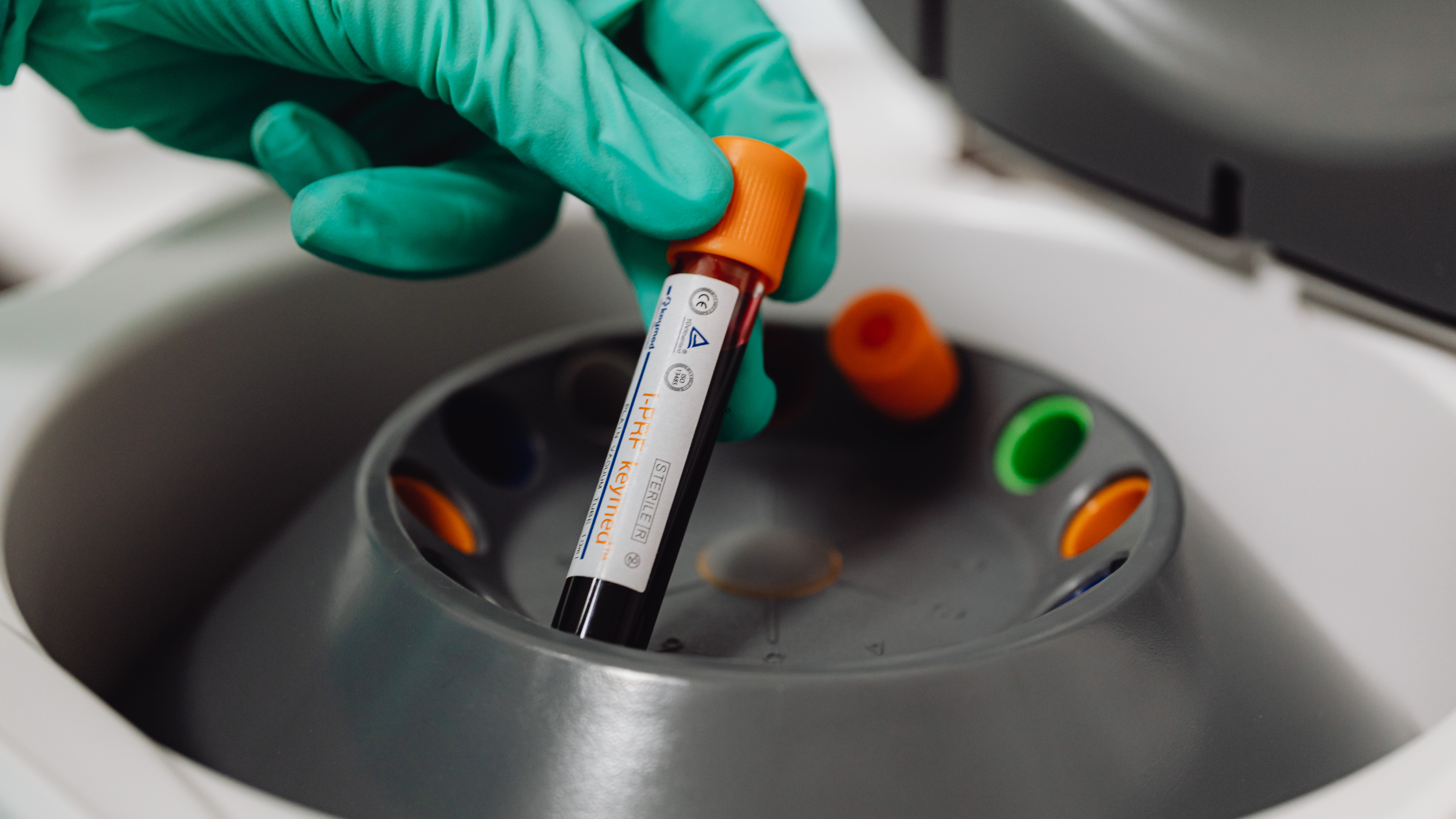
Processing: The biologic sample is purified and concentrated.
-
Ultrasound-Guided Injection: Ensures precise placement into the injured tissue.
-
Recovery: Most patients resume light activity within days, with improvements typically building over weeks to months.
Because treatment relies on your own biologic material, it is generally very safe and well-tolerated.
Is Cell Therapy Right for You?
Regenerative therapies aren’t for every type of injury or every stage of arthritis. They are most effective when:
-
The joint or tissue still has repair potential
-
Conservative treatments have failed
-
The patient is active and wants to maintain function
-
Surgery is either undesirable or premature
A specialist can recommend the right regenerative approach based on your specific diagnosis and goals.
A More Natural Path Toward Healing
Cell therapy and orthobiologics represent a powerful shift in pain management—moving beyond symptom control and toward true tissue restoration. If you’re dealing with chronic pain or a slow-healing injury, these treatments may help your body recover more completely and reduce the need for invasive procedures.
Quick Links

Schedule an Appointment
* indicates a required field.