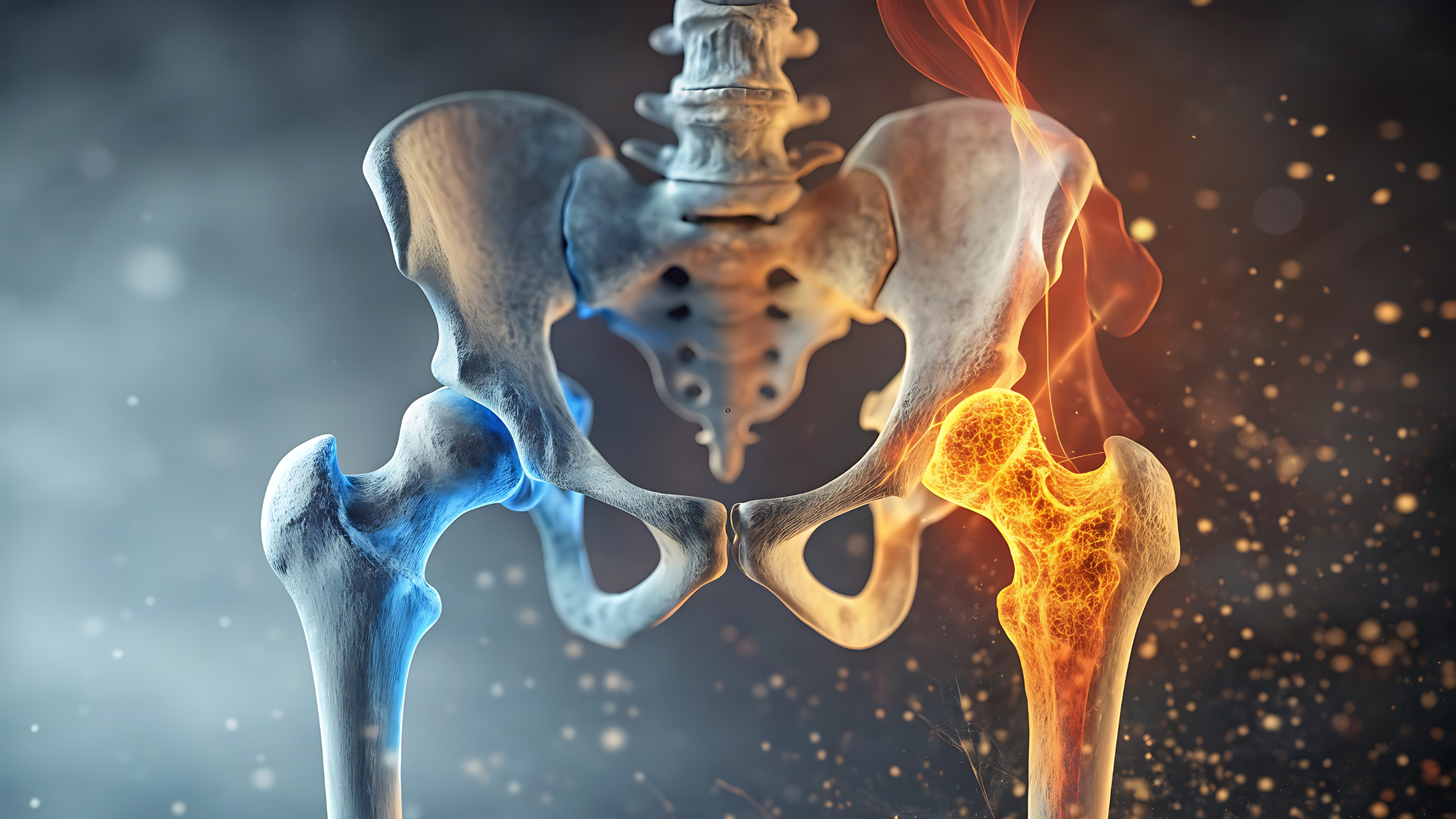
Comprehensive Trauma Care: From X-Ray to Recovery
When a traumatic injury occurs—whether from a fall, sports incident, or car accident—time, coordination, and expertise are everything. Comprehensive trauma care ensures that from the moment a patient arrives for imaging to the final stages of recovery, every step is handled with precision, compassion, and collaboration.
1. The First Step: Accurate Diagnosis Through Imaging
The foundation of effective trauma care begins with prompt and accurate imaging. Advanced technologies such as digital X-rays, CT scans, and MRI allow physicians to quickly identify fractures, soft tissue damage, and internal injuries.
Having on-site imaging or rapid access to these diagnostics is critical. It helps trauma teams make informed decisions fast—reducing delays that could affect outcomes and setting the stage for a personalized treatment plan.
2. Immediate Intervention and Stabilization
Once imaging confirms the nature of the injury, immediate intervention focuses on stabilizing the patient. Depending on the trauma’s severity, this may involve immobilization of fractures, managing pain, controlling bleeding, or surgical repair.
Comprehensive trauma centers are equipped with multidisciplinary teams—including emergency physicians, orthopedic specialists, anesthesiologists, and nurses—who work seamlessly together. This team-based approach ensures every aspect of care is covered from the start.
3. Surgical Precision and Advanced Techniques
For severe or complex injuries, surgery often plays a vital role in restoring function and preventing complications. Advances in minimally invasive procedures and orthopedic reconstruction allow for faster healing, less pain, and reduced hospital stays.
These surgical innovations, when paired with evidence-based post-operative protocols, support better outcomes and smoother transitions into rehabilitation.
4. Rehabilitation: The Road Back to Strength
Recovery doesn’t end after surgery or initial treatment—it truly begins in rehabilitation. Physical therapy, occupational therapy, and pain management are essential to help patients rebuild strength, mobility, and confidence.
Each rehabilitation plan is tailored to the individual’s injury and goals. From restoring range of motion after a fracture to regaining endurance after surgery, the focus is on returning patients to their active lives safely and efficiently.
5. Long-Term Support and Follow-Up
Comprehensive trauma care extends beyond discharge. Follow-up appointments, imaging reassessments, and personalized home exercise programs ensure continued progress and monitor for potential complications.
This ongoing care fosters patient confidence and minimizes the risk of re-injury, reinforcing that healing is a journey—not a single event.
6. The Power of a Coordinated Care Team
What sets comprehensive trauma care apart is coordination. Seamless communication between radiologists, surgeons, therapists, and primary care providers ensures that every decision is made with the patient’s best interests in mind.
From the first X-ray to full recovery, patients benefit from a continuum of care designed to restore not just physical function, but overall quality of life.
In Summary
Comprehensive trauma care is more than emergency response—it’s a full spectrum of support that guides patients from diagnosis to complete recovery. With integrated teams, advanced imaging, personalized treatment, and structured rehabilitation, patients can return to their routines with strength and confidence.
Quick Links

Schedule an Appointment
* indicates a required field.