Non-Surgical Treatments for Back and Neck Pain
Back and neck pain are among the most common health complaints affecting people of all ages. Whether caused by poor posture, injury, degenerative conditions, or daily stress, spine-related pain can interfere with work, sleep, and overall quality of life. Fortunately, many patients find relief without needing surgery. Modern medicine offers a wide range of effective non-surgical treatments designed to reduce pain, restore mobility, and improve function.
Understanding these treatment options can help patients make informed decisions and find the right path toward recovery.
Understanding Back and Neck Pain
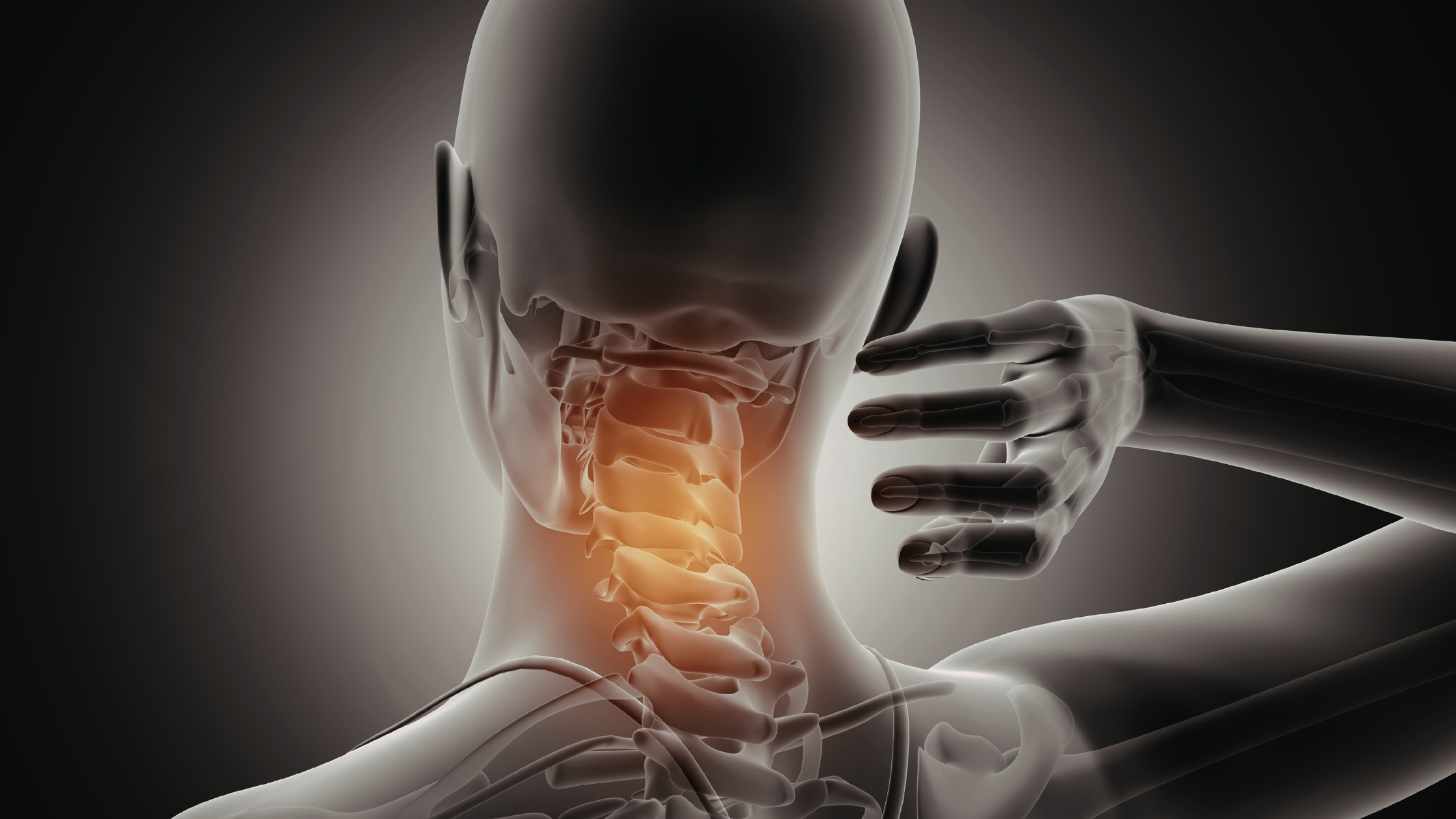
The spine is a complex structure made up of vertebrae, discs, nerves, muscles, ligaments, and joints. Pain can develop when any of these components become irritated, inflamed, injured, or worn down over time.
Common causes of back and neck pain include:
-
Muscle strains and ligament sprains
-
Herniated or bulging discs
-
Arthritis and degenerative disc disease
-
Spinal stenosis
-
Poor posture and repetitive motion injuries
-
Nerve compression, such as sciatica or cervical radiculopathy
-
Whiplash and other trauma-related injuries
Many of these conditions respond well to conservative, non-surgical treatments.
Physical Therapy and Rehabilitation
Physical therapy is often one of the first and most effective treatments for back and neck pain. A customized therapy program focuses on improving strength, flexibility, posture, and body mechanics.
Physical therapy may include:
Strengthening Exercises
Targeted exercises strengthen the muscles that support the spine, reducing stress on spinal structures.
Stretching and Flexibility Training
Improved flexibility helps reduce stiffness and increases range of motion.
Posture Correction
Therapists teach patients how to maintain proper alignment while sitting, standing, and lifting.
Manual Therapy
Hands-on techniques such as massage and joint mobilization can reduce pain and improve mobility.
Consistent participation in physical therapy can help patients recover faster and prevent future flare-ups.
Medication Management
Medications can help control inflammation and pain while allowing patients to remain active and participate in rehabilitation.
Common medication options include:
-
Nonsteroidal anti-inflammatory drugs (NSAIDs)
-
Muscle relaxants
-
Nerve pain medications
-
Topical pain relievers
In some cases, providers may recommend short-term use of prescription medications for more severe pain. Medication plans are typically individualized to balance effectiveness with safety.
Spinal Injections
Minimally invasive spinal injections are commonly used to reduce inflammation and relieve pain when conservative treatments alone are not sufficient.
Epidural Steroid Injections
These injections deliver anti-inflammatory medication near irritated spinal nerves, helping relieve pain caused by disc herniation, spinal stenosis, or nerve compression.
Facet Joint Injections
Facet joints connect the vertebrae and can become painful due to arthritis or injury. Injections into these joints can reduce inflammation and confirm the source of pain.
Trigger Point Injections
Trigger points are tight muscle knots that cause localized or referred pain. These injections can relieve muscle-related discomfort.
Spinal injections can provide temporary or long-lasting relief and often allow patients to progress with therapy and rehabilitation.
Radiofrequency Ablation (RFA)
Radiofrequency ablation is a minimally invasive procedure that uses heat generated by radio waves to disrupt pain signals from specific nerves. It is commonly used for chronic neck and back pain caused by arthritis in the facet joints.
RFA can provide pain relief lasting six months to over a year in many patients and may be repeated if symptoms return.
Chiropractic Care
Chiropractic treatment focuses on spinal alignment and musculoskeletal function. Spinal adjustments and manual manipulation may help relieve pressure on nerves, improve mobility, and reduce pain.
Many patients find chiropractic care beneficial when combined with physical therapy and other conservative treatments.
Acupuncture
Acupuncture involves inserting very thin needles into specific points on the body to stimulate natural pain-relieving responses. Research suggests acupuncture may help reduce chronic neck and back pain by improving circulation and encouraging the release of endorphins, the body’s natural pain relievers.
Lifestyle Modifications
Daily habits play a major role in spine health. Making small lifestyle changes can significantly reduce pain and prevent recurrence.
Improving Posture
Maintaining proper posture while working, driving, and using electronic devices reduces strain on the spine.
Maintaining a Healthy Weight
Excess body weight increases stress on spinal structures and can worsen pain.
Staying Physically Active
Regular low-impact exercise such as walking, swimming, or yoga helps maintain flexibility and strength.
Ergonomic Adjustments
Proper workstation setup and supportive seating can reduce spinal strain, especially for individuals who sit for long periods.
Regenerative Medicine
Emerging regenerative therapies aim to support the body’s natural healing process. Treatments such as platelet-rich plasma (PRP) injections may help reduce inflammation and promote tissue repair in certain musculoskeletal conditions. While research is ongoing, regenerative medicine is becoming an increasingly popular non-surgical option for select patients.
Behavioral and Mind-Body Therapies
Chronic pain can affect both physical and emotional well-being. Stress, anxiety, and depression can worsen pain perception and slow recovery.
Mind-body approaches may include:
-
Cognitive behavioral therapy (CBT)
-
Stress management techniques
-
Meditation and relaxation training
-
Biofeedback therapy
These strategies help patients develop coping skills and improve overall pain management.
When to Consider Medical Evaluation
While many cases of back and neck pain improve with conservative treatment, patients should seek medical evaluation if they experience:
-
Persistent pain lasting more than several weeks
-
Pain that radiates into the arms or legs
-
Numbness, tingling, or weakness
-
Loss of balance or coordination
-
Sudden bowel or bladder changes
-
Pain following trauma or injury
Early evaluation allows providers to identify underlying causes and recommend appropriate treatment.
Creating a Personalized Treatment Plan
No single treatment works for every patient. Successful pain management often involves combining multiple therapies tailored to individual needs, medical history, and lifestyle goals. Working closely with a spine or pain specialist helps ensure a comprehensive and effective treatment strategy.
Finding Relief Without Surgery
Non-surgical treatments for back and neck pain continue to evolve, offering patients safer and less invasive ways to manage discomfort and improve function. With early intervention, proper diagnosis, and personalized care, many individuals can achieve lasting relief and return to the activities they enjoy without the need for surgery.
If you are experiencing ongoing back or neck pain, consulting a qualified healthcare provider can help you explore treatment options and take the first step toward recovery.
Quick Links

Schedule an Appointment
* indicates a required field.